

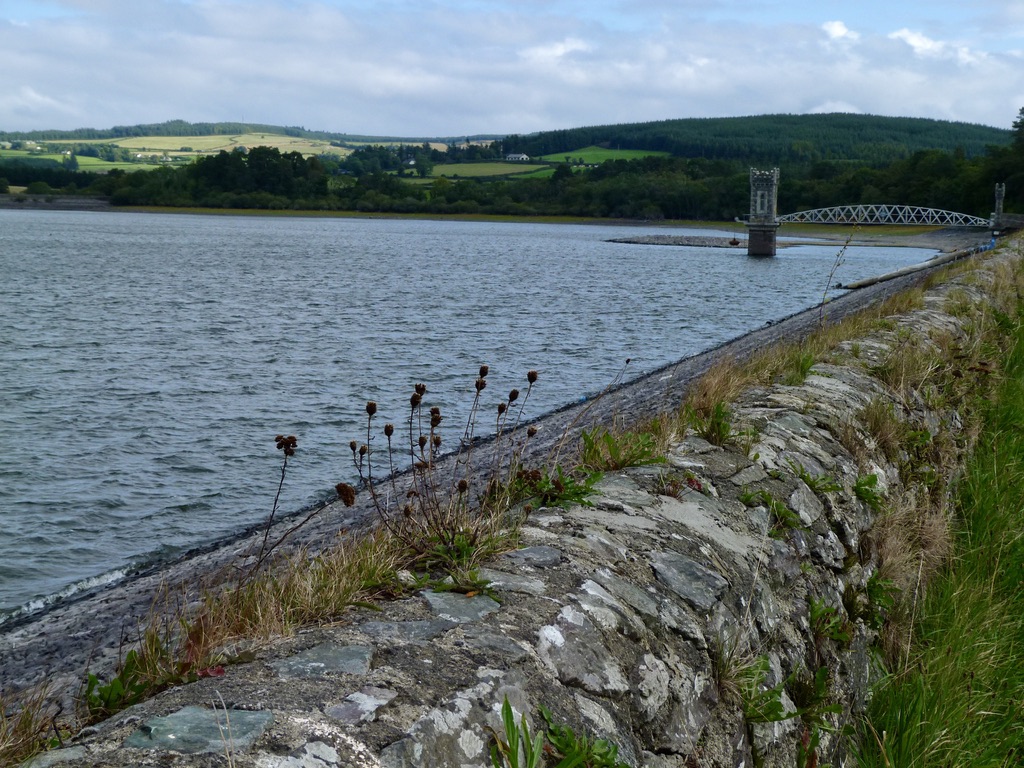
Dublin held many treasures for me on my quest to dig deeper into Dora’s story. In terms of family members, I found out more about Henry William Greene (d. 1868, Dora’s grandfather). He was an engineer working on the Vartry Reservoir scheme, County Wicklow, to bring fresh water to Dublin’s growing population. He fell off a wall at Glendalough and died of his injuries, leaving a wife and 13 children. The 14th child was born three weeks later.
Henry W was buried at Mount Jerome and was joined by three of his children – Charles (d 1890), Gertrude (d 1940) and Henry R (d 1940, father of Norah). I went and met them all and left some flowers.

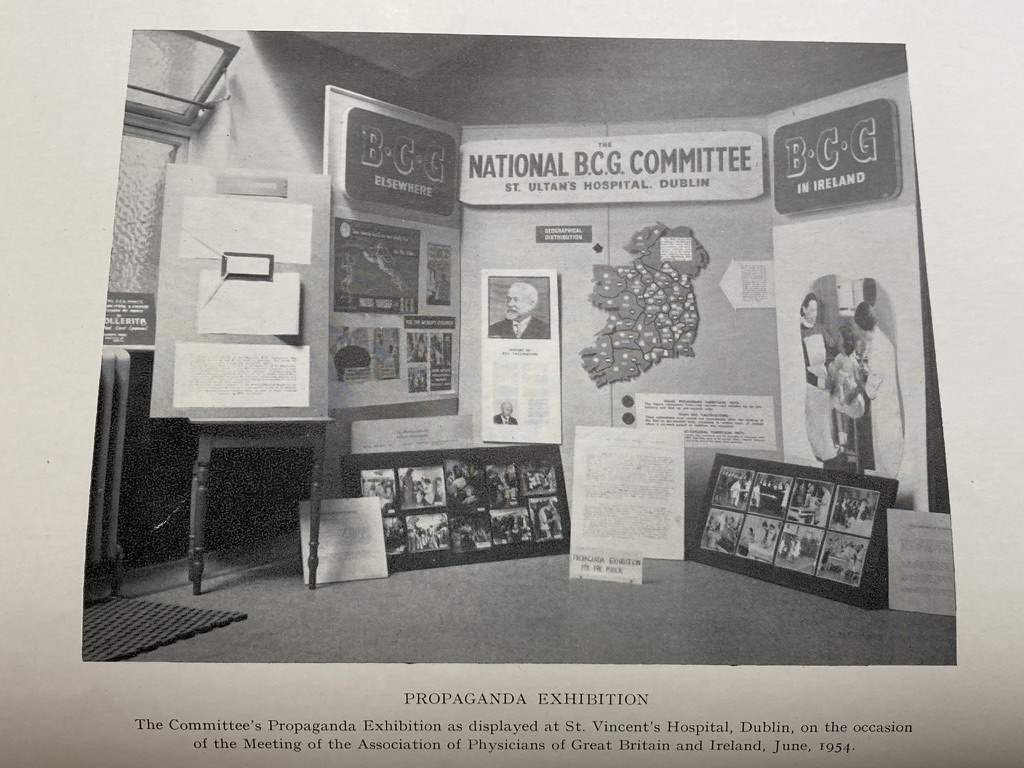
It turns out that Robert Barton (Bartons had owned the Glendalough estate since the 1830s) was a great friend of Dr Dorothy Stopford Price of St Ultan’s Hospital, with whom Dora would work on the BCG vaccination programme. Both were republicans seeking to free Ireland of British rule. Barton wrote to Dr Price in December 1921, after signing the Anglo-Irish Treaty creating the Free State, an ugly compromise that led to civil war.
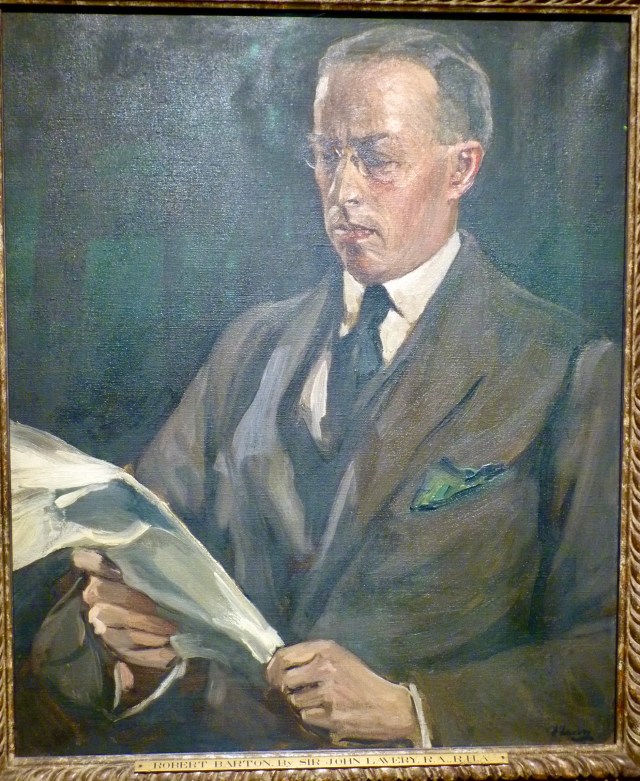
“It’s a sad story because success was in our grasp at one time, at any rate I believe it was, provided all leaders and people had been prepared to take the gamble and risk all for the ideal. Well the opportunity has gone now and will not return in our lifetimes, but that the provisional government under the leadership of the pro-ratification party, will be either successfully happy or long lived, I doubt. For myself I retire to home and oblivion.” (27 Dec 1921, accessed at National Library of Ireland).
Correct on all counts, except that Ireland became a republic in 1949, during Barton’s lifetime. 1949 was also the year that Dorothy Stopford Price’s BCG vaccination programme went national, increasing from a few local patients to a programme to vaccinate all infants, children, young adults and frontline staff – about 18,000 people in the first eighteen months. I didn’t find specific reference to Dora, but the National BCG Commmittee report for 1950 mentions her manager at the Dublin office, Mr Patterson, who earns praise for his ingenuity and advice in setting up the data for recording on punch cards. I suspect Dora was the top level contact and saleswoman and left the details to her staff.
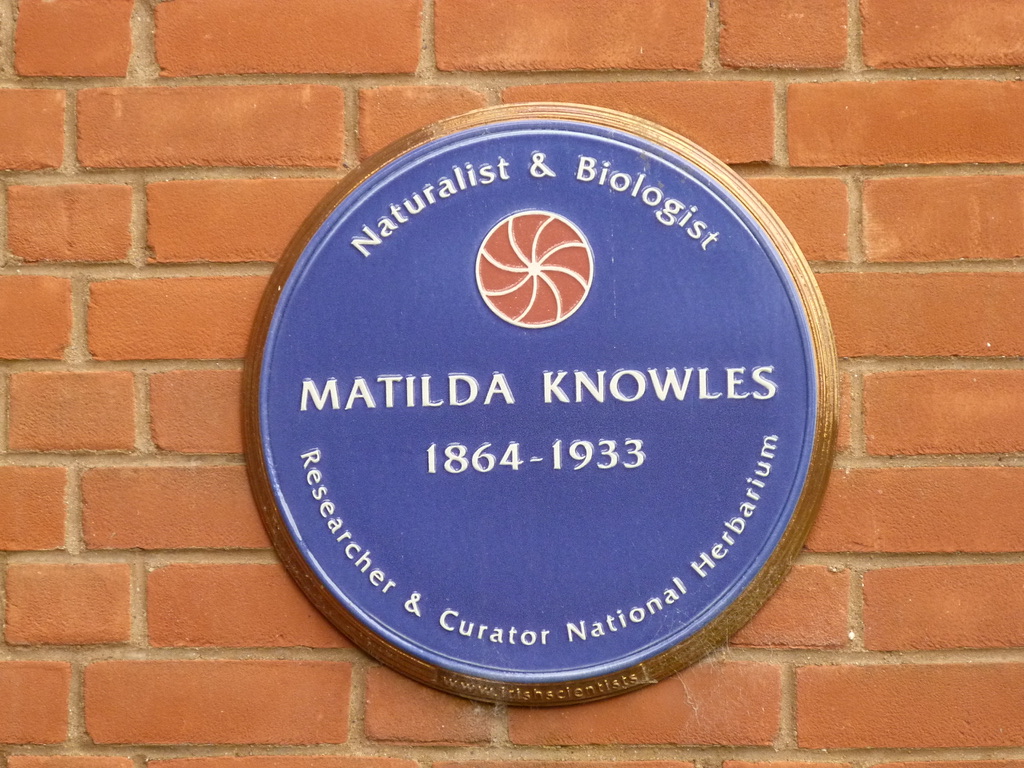
Deansgrange cemetery (best café in town by the way) has the grave of Matilda Knowles, the renowned botanist with whom Dora stayed in Dublin in 1917-19. Her great work was on the lichens of Ireland and it seemed apt that her grave is now covered in mosses and lichens! Her apartment was a gathering place for Dublin’s intelligentsia, where Dora made many friends and useful contacts, including her business partner Sam Haughton, who was from the same village as Matilda. Matilda is honoured at the Botanic Garden, with a plaque and a brief history of her work, at the herbarium.

Another friend that Dora met at Matilda’s apartment was stained glass artist Evie Hone and her friend, cubist painter Mainie Jellett. When I wasn’t grave hunting I was looking for works by these avant garde artists.


It’s been a busy fortnight but very rewarding! I’ve enjoyed spending time in both Northern Ireland and the Republic and there is plenty more to see. It really doesn’t take long to get here so I’ll be back for more next year.
Discover more from A Bitter Equation
Subscribe to get the latest posts sent to your email.
 A Bitter Equation